
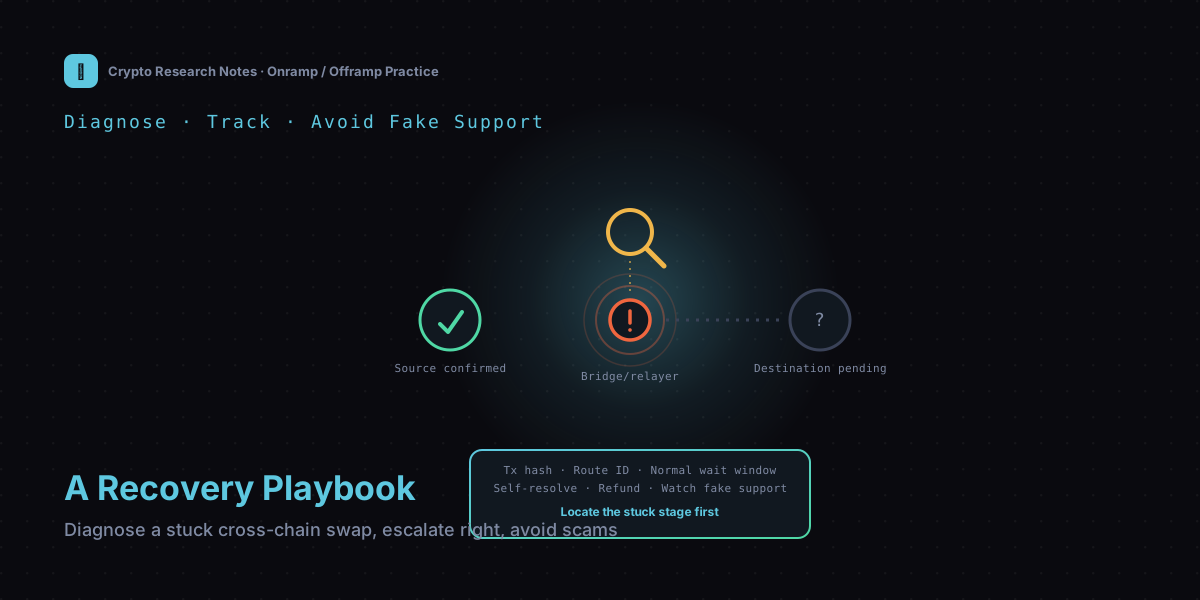
1. The three stages a cross-chain swap passes through
A cross-chain swap moves through at least three independent stages between when you submit it and when it arrives, and understanding this breakdown is the first step to diagnosing a problem. Stage one is the source-chain transaction itself: your swap request is packaged and confirmed on the source chain, funds leave your address — this is no different from a normal on-chain transfer, and usually confirms within minutes if the source chain isn't congested. Stage two is bridge or relayer pickup and processing: once the source transaction confirms, a bridge or the relayer network behind an aggregator needs to detect it, validate it, and then trigger the corresponding mint or release on the destination chain — this stage doesn't happen on any single chain and is where delays or genuine stalls are most likely. Stage three is destination-chain confirmation: after the relayer initiates the operation, the destination chain still needs to package and confirm it before the asset actually lands in your target address. A stall can happen at any of the three stages, and from a user's perspective, your wallet balance alone almost never tells you which one — you have to go check actively.
2. Locating the stuck stage with a block explorer and tracking tools
Start by going back to the source-chain block explorer and looking up the transaction hash your wallet gave you when you initiated the swap. If the source transaction itself hasn't confirmed, the problem is most likely source-chain congestion or a too-low fee — the easiest scenario to understand and to watch progress on yourself. If the source transaction has confirmed, the next step is the aggregator or bridge's own tracking page: most legitimate cross-chain swap aggregators provide a tool where you can query by transaction hash or route ID, and it typically shows a specific status — "source confirmed," "bridge processing," "destination pending" — rather than a vague "processing." If that tracker shows something like "destination pending," go verify the destination-chain transaction hash it gives you on the destination chain's own block explorer, and confirm whether that transaction has actually been broadcast and is waiting to be packaged. Cross-referencing these three sources will usually pinpoint exactly which stage the problem is at, instead of you being stuck saying "my money is gone."
3. When waiting is normal, and when it's a real problem
Cross-chain swaps are inherently slower than same-chain transfers, especially routes involving cross-chain messaging, multisig validation, or liquidity coordination — normal processing can range from a few minutes to twenty or thirty, and heavily congested chains or complex routes can occasionally stretch to an hour or two. All of that falls under "slow but normal" and isn't cause for panic on its own. Two signals help judge whether you've crossed into genuinely problematic territory: first, most aggregators publish an expected processing window for a given route in their docs or UI — clearly exceeding that window is a warning sign; second, watch whether the tracker status is still progressing — if it moves from "source confirmed" to "bridge processing" within a reasonable window, even if slow, the pipeline is still working. But if the status sits frozen at the same stage for a long time, especially past the platform's own stated maximum without any change, that's when you should treat it as a real problem and actively escalate rather than continuing to wait passively.
4. Contacting support properly: bring the hash and route ID, not "my money is stuck"
Once you've confirmed it's genuinely stuck, how you contact support directly determines how fast it gets resolved. A useful support request should include, at minimum: the source-chain transaction hash, the destination-chain transaction hash if one exists, the route ID or order number assigned by the aggregator or bridge, the approximate time the swap was initiated, the source and destination chain names, and the asset and amount involved. Most of this can be copied directly from the tracking page described in Section 2. Providing all of it up front is far more effective than repeating "I sent money and it never arrived" — support or the technical team can look up the on-chain status and processing logs directly using these identifiers, instead of having to guess based on a vague description. If a platform only offers live chat with no ticketing system, ask for a written reply or a ticket number rather than settling for a verbal exchange — that record matters if you need to escalate a complaint later.
5. Checking a stuck swap's real-time status with a tool like AllSwap
Putting the tracking method above into practice requires a cross-chain swap platform that itself offers a transaction-status lookup tool, rather than a generic "processing" message. AllSwap is one example of this kind of tool — the platform describes itself as a cross-chain swap aggregation tool supporting asset swaps across several mainstream public chains, and it provides a tracking page where you can look up processing status by transaction hash or order info, which in principle could be used to check exactly which stage a stuck swap is currently at. To be clear, the description above is drawn solely from the platform's own self-reported information — please verify the actual coverage of its tracking tool and its real-world support response times against the provider's latest official disclosures and your own testing; this article offers no endorsement or guarantee whatsoever. Any use of a cross-chain swap tool must serve a genuine, compliant asset-management purpose and follow the relevant platform's terms and your local laws — never for money laundering, sanctions evasion, or other illegal purposes.
6. Three realistic outcomes: self-resolves, refunds to source, or genuinely stuck
After escalating with full evidence, a stuck cross-chain swap generally ends up in one of three outcomes. The most common and ideal is that it self-resolves: the bridge or relayer processing was simply delayed, and once that clears the transaction continues as planned and the asset lands on the destination chain — the only thing to do here is keep tracking it and avoid re-initiating the same swap. The second is a refund to the source chain: if the destination leg genuinely cannot be completed (say, insufficient liquidity or a route failure on the destination side), most legitimate aggregators build in a fallback that returns the funds to your source-chain address along the original path — when this happens, carefully verify that the asset type and amount refunded match what you originally sent, rather than assuming a refund automatically means everything is fine. The third, rarest outcome is genuinely stuck: in cases where the bridge involved suffers a security incident or extended outage, funds can remain unrecoverable through normal automated processes for a long time, requiring manual intervention or even on-chain forensics, with a resolution timeline that can stretch out considerably. Users should keep this worst case in mind, but that doesn't mean giving up on following through.
7. Watch for fake support: stuck-swap users are a prime scam target
A cross-chain swap that looks stuck is exactly the kind of situation scammers love to target, because the victim is already anxious and eager for help, and their guard tends to drop. Common patterns include: someone messaging you privately after you post a public help request on social media or a forum, claiming to be official support and offering to "speed things up" in exchange for your seed phrase, private key, or a signature on a "verification transaction"; a fake tracking page link that looks nearly identical to the real one, designed to get you to connect your wallet so it can steal your assets; or a demand for an upfront "unfreezing fee" before your funds can be released — that kind of pay-first-to-get-your-own-money-back logic is itself a textbook scam signal. Genuine official support never needs your seed phrase or private key at any step, and there's no legitimate process where you pay a fee before recovering your own assets. The safe approach is to only initiate support requests through the official website or the app's built-in support channel, never trust someone who messages you first claiming to be "support," and treat any request for a private key or upfront payment as a scam and end the conversation immediately.
8. Summary and stuck-swap troubleshooting checklist
- Separate the three stages — source transaction, bridge/relayer processing, destination confirmation — and verify each with a block explorer and the aggregator's tracking tool.
- Check the platform's published expected processing window; a status that's still progressing is normal, one frozen at the same stage for a long time is a real problem.
- When contacting support, bring the source and destination transaction hashes and the route ID/order number, not just "my money is stuck."
- Know the three possible outcomes — self-resolves, refund to source, or genuinely stuck — and adjust your follow-up and expectations accordingly.
- If refunded to the source chain, verify the asset type and amount match; don't assume a refund automatically means the issue is resolved.
- Only seek help through the official website or in-app support channel; never share your seed phrase or private key, and never pay an upfront "unfreezing fee."
Frequently asked: how long is normal for a cross-chain swap to be stuck? There's no universal number — check the platform's published expected processing window and whether the tracker status is still advancing; a long freeze at one stage is the real warning sign. If funds are refunded to the source chain, does that mean the swap has failed for good? Yes, a refund generally means the destination leg couldn't complete, and once you've verified the refunded amount, whether to re-initiate the swap is your call. Is it safe to trust someone who messages me claiming to be support and offering to speed things up? No — legitimate support never messages you first asking for a seed phrase, private key, or upfront payment, and any such request should be treated as a scam signal. This article is for learning and research purposes only and does not constitute investment advice; cross-chain operations on crypto assets carry technical and compliance risks, so please make your own judgment and take responsibility for your own decisions.